Key Takeaways
•The Direct Answer: The Cambridge Planning Board's 2026 approval of Cambridge Point, a mixed housing and commercial project near Alewife, clears a permitting step. It does not guarantee construction. New homes there won't add to what you can buy this fall or next spring.
•The Real Hurdle: Money, not permission. The developer has said a lower affordable-housing requirement is essential to start its planned 400-unit building.
•The Price Effect: Any effect on nearby prices is years out.
•The Bottom Line: Buy based on today's market and your own timeline. Watch for financing and groundbreaking news, not approval headlines.
Does the Cambridge Point Approval Change Your Fall Search?
If you're house-hunting near Alewife right now, the honest answer is no — not in any way that matters to your search.
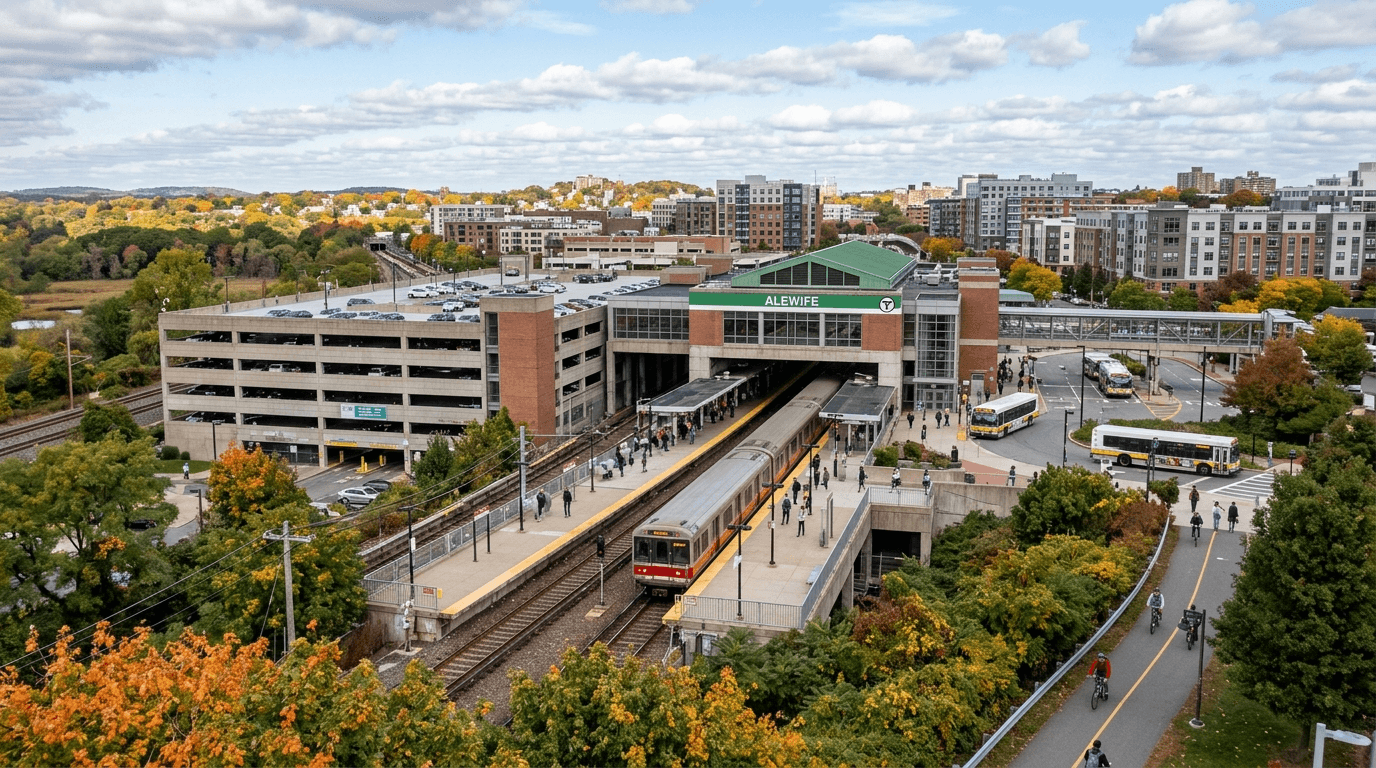
Cambridge Point is a large housing and commercial project near the Alewife T station. The Planning Board approved it, and on September 23, developer Healthpeak said it would "move forward," according to Cambridge Day. But approval and financing are two different things, and the real question is when — or if — major construction actually starts.
Why Doesn't Approval Mean Construction Starts Right Away?
In Cambridge, the hard part is rarely permitting. It's making the numbers work.
The city's inclusionary zoning rules require larger new projects to include affordable units, and that required share was raised to 20% of floor area back when lab and commercial space was lucrative enough to absorb the cost. Former mayor Anthony Galluccio, now local counsel for Healthpeak, put it bluntly to Cambridge Day: "They weren't building the housing because it made money. They were building it because they had to."
That math looks different today:
•Office demand is soft. Office vacancy across the Boston market topped 20%, per Hunneman's Mid-Year 2026 Boston Office report.
•Commercial values are down. Cambridge's assessed commercial property value fell $3.6 billion in a single year, Cambridge Day reported.
•Investors have easier options. Healthpeak's Rylan Squirrell told Cambridge Day that Treasury bills now pay 5%, while his firm needs to clear at least 6.5% to satisfy investors.
Squirrell said getting the affordable share below that 20% threshold is essential to breaking ground on the 400-unit building at 125 Fawcett Street. The City Council is now weighing whether to lower it.
Approval opens the door. Money decides whether anyone walks through it.
Who Should Care Most About Alewife Real Estate Now?
If you're buying this fall, focus on homes that exist today. Cambridge Point doesn't add inventory this season, and it doesn't hand you extra bargaining power either.
If you're planning to own for the long haul, this project matters more. More housing, retail, paths, and transit access could support long-term value. Citywide, Cambridge has built just under 10 of the roughly 25 miles of separated bike lanes its Cycling Safety Ordinance requires — better access to Alewife is coming, just slowly.
Separated Bike Lane Buildout Progress
Progress toward Cambridge’s separated bicycle lane installation requirement as reported in the economic impact study.
Cycling Safety Ordinance progress
Miles of separated bike lanes installed since May 1, 2020just under 10 miles
Cycling Safety Ordinance target
CSO required total miles of separated bicycle lanesapproximately 25 miles
The tradeoff is construction itself. If the project advances, nearby blocks could see years of noise, shifting traffic patterns, and a rougher streetscape.
If you're income-eligible, keep an eye on new affordable-housing lotteries, but stay realistic. Inclusionary units serve households earning 50 to 80 percent of area median income, and the city's FY26 budget already counts more than 1,250 inclusionary rental units in Cambridge's existing stock.
Cambridge Inclusionary Rental Housing Scale
Headline figures on Cambridge’s inclusionary rental housing stock, recent completions, and the 40 Thorndike Street contribution.
Inclusionary housing
Total inclusionary rental units in stockmore than 1,250
New inclusionary rental units completed in past yearMore than 150
Project example
Inclusionary rental units at 40 Thorndike Street48
That pool turns over slowly. Cambridge Point could add to it eventually, but not soon.
What Are the Best Arguments for Waiting?
"Prices should fall if more supply is coming."
Maybe — once that supply looks real. Commercial values are down and the developer is citing thin margins, so there's little reason yet to expect a wave of new units.
"Healthpeak is well-funded and says it's moving forward, so the risk is overstated."
Capital isn't the obstacle here. Returns are. A well-funded company still won't build a project that can't clear its hurdle rate, which is why Squirrell called a lower inclusionary requirement essential. An anchor tenant could change the timeline — treat that as a signal worth watching, not a reason to pause your search.
"The MBTA terminal work is a separate state project and has nothing to do with a private Planning Board vote."
Fair point. These are separate decisions — the approval doesn't lock in MBTA work, and MBTA work doesn't guarantee Cambridge Point gets built. Still, the city's FY26 budget lists Alewife Station rezoning work alongside the MBTA, which matters if you're weighing the area's long-term access.
What Signals Should You Watch Before Making a Move?
Watch these, in order:
1. The City Council's decision on whether to lower the 20% affordable-housing requirement.
2. Financing closing — loans signed, money in place.
3. Groundbreaking.
That last one is the real starting gun. The housing clock begins at groundbreaking, not approval.
When touring homes near Alewife, ask which blocks sit closest to future construction, and compare assessed value against recent sale prices. Approved is not built. Judge homes by the market in front of you this October, not by units that may still be years away. Want a block-by-block read on specific streets near Cambridge Point? Ask before you write an offer.