Cambridge, MA Real Estate Market Pulse: July 2026 Condo & Townhome Trends
July 2026 Cambridge condo pulse: $1.035M median sold price, 21 DOM, 448 active listings and 7.9 months supply for buyers.
Written ByTyler Cao
PublishedJuly 31, 2026
I'm Tyler Cao, a Cambridge, MA real estate agent with BA Property & Lifestyle Advisors helping buyers and sellers across Cambridge and Somerville — from first search to closing. Serving Cambridge and Somerville, MA.
Cambridge, MA
Region
10
Villages
# Cambridge, MA Real Estate Market Report: Navigating the Condo & Townhome Landscape (July 2026)
If you're a young professional working in Kendall Square biotech, or at one of the thousand-plus tech firms clustered around Cambridge, you already know the housing math is brutal. What follows is my strategic read on where the leverage actually sits this month, and how to put it to work — whether you're buying your first condo or preparing to list one.
Is Cambridge, MA a Buyer's or Seller's Market in July 2026?
Cambridge is a nuanced seller's market for condos — sellers still hold the upper hand on desirable, well-priced units, but rising inventory has quietly handed buyers more room to negotiate than they had at the peak. The days of automatic bidding frenzies are fading. Still, demand near Kendall Square and Harvard keeps the floor high.
Here's what the primary MLSPIN data tells us. As of May 2026, the Cambridge condo/townhouse segment posted a median sold price of $1,035,000, with a median of 21 days on market and 448 active listings — roughly 7.9 months of supply. That months-of-supply figure is the tell. A textbook "balanced" market sits near six months, so on paper, condos have tipped toward buyer-friendly territory on inventory alone.
But averages hide the real story. The best-located, move-in-ready units near transit still move fast and draw competition, while dated or overpriced listings languish. This is a two-speed market wearing a single median.
Median Sold Price by Property Type — May 2026
Cambridge remains a premium urban market, with condos offering the most accessible ownership lane while single-family and multi-family properties sit in a much higher price tier.
Cambridge remains a premium urban market, with condos offering the most accessible ownership lane while single-family and multi-family properties sit in a much higher price tier.
For young professionals, condos and townhomes remain the primary entry lane. Single-family homes in Cambridge carried a median sold price of $2,399,000 in May 2026 — a different universe entirely. That's precisely why the competition concentrates in the condo tier. It's where first-time buyers, relocating professionals, and investors all collide.
One housekeeping note before we go further. You'll see a separate citywide market snapshot below, drawn from Realtor.com. Those numbers — a $1,160,000 median sold price, 399 active listings, 24 median days on market — blend all property types citywide and use a different data provider than the MLSPIN condo-specific figures above. Treat the MLSPIN condo stats as your segment-level read, and the snapshot as a broader citywide temperature check. They measure slightly different things.
Cambridge Market Pulse: June 2026
A quick current-market read for Cambridge: prices remain high, but the one-year sold-price change and higher active listings point to more breathing room than buyers saw in the peak frenzy.
The takeaway: negotiation leverage is more balanced than the headlines suggest, but only for buyers who are strategic. Sellers who price to the market still win. Sellers who price to 2022 nostalgia sit.
What Is the Sale-to-List Reality for Condos in Cambridge, MA?
The honest answer is that the "Win Number" in Cambridge is property-specific, not a citywide constant — and the primary MLSPIN data I lead with does not publish a single condo sale-to-list ratio, so I won't pretend one exists. What I can tell you, from the data and from being in these deals, is that the list price is a starting point for negotiation, not a fixed valuation.
Here's how I coach clients to think about it. With condo months of supply around 7.9 months as of May 2026 and a 21-day median time to sell, the market has split in two:
•Sharp, well-staged units near Kendall, Central, or Harvard can still draw multiple offers and push at or above ask.
•Everything else — dated finishes, awkward layouts, high-HOA buildings, or aggressive list prices — increasingly requires a price adjustment or trades below ask.
So the strategic question for buyers isn't "how much over asking do I need to go?" It's "which category is this specific unit in?" When I'm walking a client through an offer, we look at how long the unit has sat, how it's priced against comparable May 2026 closings, and whether the seller is testing the market or genuinely motivated.
If a condo has been listed longer than that 21-day median, your leverage grows meaningfully. If it just hit the MLS and is priced tightly, expect competition and structure your offer accordingly.
A quick word on carrying costs, since they shape your real budget more than list price ever will. HOA dues in Cambridge vary widely by building. Simpler, older walk-up associations tend to run on the lower end, while newer amenity-rich buildings carry substantially higher monthly fees. I flag these as general commentary, not sourced market statistics — but they're real money, and I always fold them into a client's true monthly number before we talk offer price.
How Fast Do Condos Sell in Cambridge, MA?
Condos in Cambridge sold at a median of 21 days as of May 2026 — brisk, but no longer the 48-hour scramble of the peak market. For young professionals, that means you have a window to make a considered decision, but not weeks to deliberate.
The MLSPIN primary data puts the full segment velocity in context:
•Condo/Townhouse: median 21 days, 448 active listings, 7.9 months of supply
•Single-Family: median 20 days, 109 active listings, 6.0 months of supply
•Multi-Family: median 12 days, 12 active listings, 4.0 months of supply
Notice that multi-family is the tightest and fastest segment in the city — smallest inventory, quickest turnover. Condos, by contrast, have the most breathing room.
That growing condo supply is the structural story of this cycle. Active condo inventory has climbed steadily over the past several years as new development and resale listings piled up.
Cambridge Condo Active Listings Trend, 2022–2026
Condo supply has risen steadily from 2022 to 2026, signaling a more negotiable environment for buyers who are flexible on building age, HOA structure, or exact neighborhood.
Condo supply has risen steadily from 2022 to 2026, signaling a more negotiable environment for buyers who are flexible on building age, HOA structure, or exact neighborhood.
A note on that chart. It tracks a specific historical active-listings series — rising from 71 in 2022 toward roughly 135 — while the MLSPIN May 2026 snapshot I lead with counts 448 active condo listings citywide. The difference comes down to methodology and timing. The line chart captures one provider's point-in-time trend, while the MLSPIN figure is a broader same-month active count. Both point the same direction: more condo supply than buyers faced during the frenzy. That's the trend that matters for your negotiating position.
The practical rhythm I see plays out like clockwork. A well-located unit debuts mid-week, hosts weekend open houses, and sets an offer deadline early the following week. If you're serious, be pre-approved, be ready to tour within 48 hours of listing, and have your agent already pulling comps before you walk in. Hesitation on the genuinely competitive units still costs deals — even in a more balanced market.
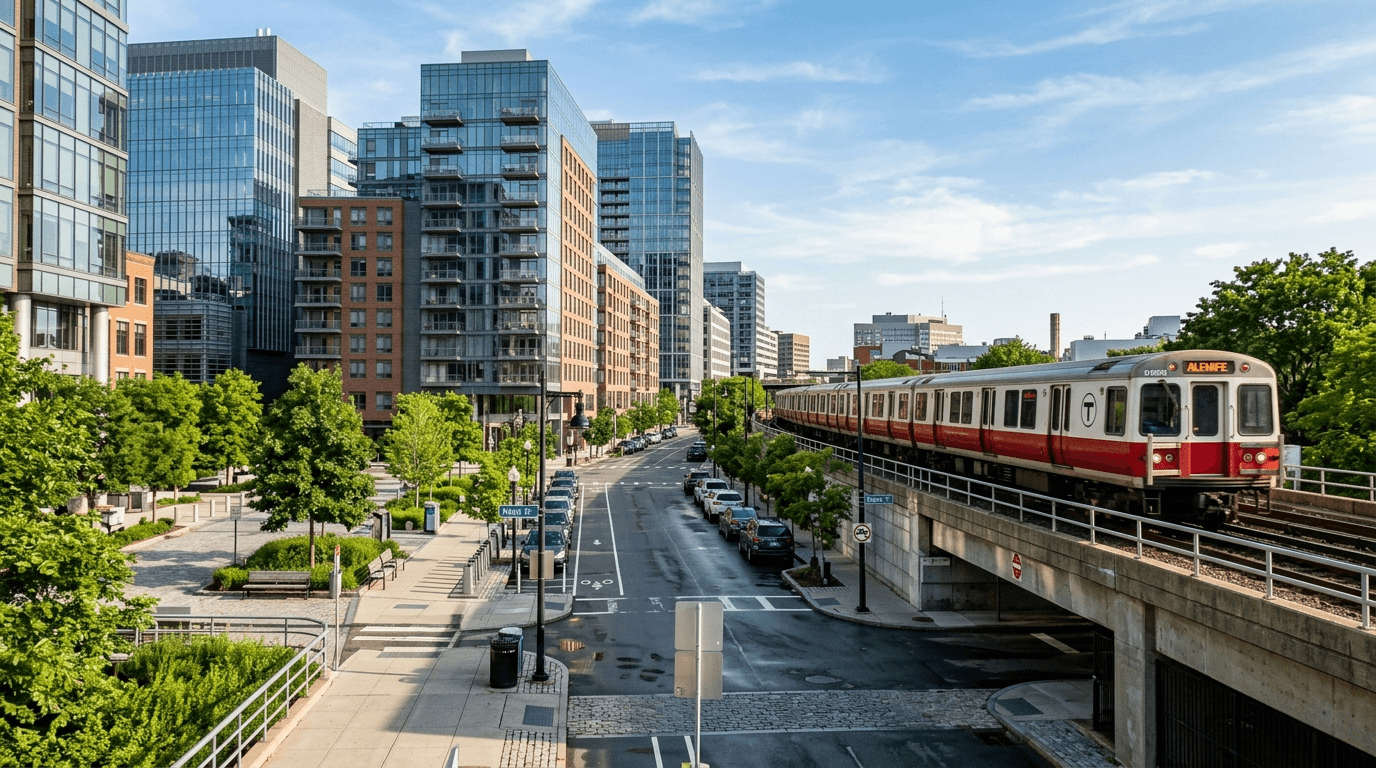
Looking further out, supply pressure is only building. The Cambridge Point at Alewife project alone is set to add thousands of units over the next decade, all near transit.
$4.5 billionTotal Project Cost
Cambridge Point at Alewife: Major Housing Pipeline
The Cambridge Point at Alewife project is one of the city’s biggest long-term supply stories, adding thousands of units near transit and potentially reshaping the northwest Cambridge housing pipeline.
That's a long-term buyer tailwind worth keeping in the back of your mind.
What Are the Best Negotiation Strategies for Cambridge, MA Condo Buyers and Sellers?
In today's Cambridge market, the winning move is trading on terms, not just price — the party who structures a cleaner, more certain deal usually controls the negotiation. Here's my tactical playbook for both sides.
Buyer Tactics in Cambridge, MA
Your leverage comes from certainty and flexibility:
•Get fully underwritten, not just pre-approved. A financing commitment beats a pre-approval letter every time, especially when you're competing.
•Use the market's slack. With condo supply elevated at roughly 7.9 months and a 21-day median time to sell, units sitting past that mark are your negotiation targets. Ask for price, credits, or seller-paid repairs.
•Deploy escalation clauses selectively. On the genuinely competitive units, an escalation clause keeps you in the fight without blindly overpaying — you win by a defined increment over the next-best offer, up to your cap.
•Consider a pre-inspection on hot listings. Waiving or shortening an inspection contingency is a real edge, but only do it with eyes open and, ideally, a walk-through by a trusted inspector first.
•Offer flexible closing dates or a rent-back to a seller who needs time. Terms like these often matter more than an extra few thousand dollars.
For context on process: earnest money deposits in this market typically run in the low single-digit percentage range, and closing windows generally land in the 30-to-60-day zone. Build your timeline around that.
Seller Tactics in Cambridge, MA
Your leverage comes from presentation and deadline discipline:
•Price to the May 2026 reality, not the 2022 peak. With the median condo at $1,035,000 and buyers now holding options, an aggressive list price is how listings stall past the 21-day median and lose momentum. Sharp pricing generates the competition; nostalgic pricing kills it.
•Prep and stage before you list. In a two-speed market, the move-in-ready units are the ones still drawing multiple offers. Spend on front-end presentation.
•Set a firm offer deadline to concentrate buyer attention — debut mid-week, show over the weekend, and call for offers early the following week.
•Weigh terms, not just top-line price. A slightly lower offer with a firm financing commitment, a healthy deposit, and waived or limited contingencies is often the safer close. In a market with more inventory, deal certainty is worth real money.
The Bottom Line for July 2026
The Cambridge condo market has shifted from a pure seller's grip toward something more negotiable — but only for buyers who read each property correctly, and only for sellers who respect the new pricing reality. The leverage lives in the details: financing certainty, contingency structure, timing, and honest pricing.
If you're weighing a move anywhere in Cambridge, Somerville, or Greater Boston, I'm happy to walk through your specific numbers and build the strategy around your goals — directly, by call, text, or email. The market rewards preparation right now, and that's exactly where I like to start.
Local Spots & Favorites
Cambridge Market Statistics
Median sale price, days on market, and closed sales by property type.
Is Cambridge, MA a buyer’s or seller’s market for condos in 2026?
Cambridge, MA is a nuanced seller’s market for condos and townhomes. As of May 2026, the condo/townhouse segment had a median sold price of $1,035,000, a median of 21 days on market, and about 7.9 months of supply.
That level of inventory gives buyers more negotiating room than during the peak market, but well-priced, move-in-ready units near Kendall Square, Central Square, Harvard, and transit can still attract competition.
How much do condos and townhomes cost in Cambridge, MA?
Condos and townhomes are the primary entry point for many Cambridge, MA buyers because single-family homes are much more expensive. In May 2026, the median sold price for condos/townhomes was $1,035,000, while single-family homes had a median sold price of $2,399,000.
This price gap concentrates competition in the condo tier, especially among first-time buyers, relocating professionals, and investors.
How fast do condos sell in Cambridge, MA?
Condos in Cambridge, MA sold at a median of 21 days as of May 2026. That is still a brisk pace, but buyers generally have more time to evaluate listings than they did during the most competitive peak conditions.
The fastest-moving condos are typically sharp, well-staged, and well-located near Kendall, Central, Harvard, or transit. Dated, overpriced, or high-HOA units are more likely to sit and invite negotiation.
Are condos and townhomes a practical option for families in Cambridge, MA?
For families priced out of single-family homes, condos and townhomes are the more attainable ownership path in Cambridge, MA. The May 2026 median single-family price was $2,399,000, compared with $1,035,000 for condos and townhomes.
Family buyers should pay close attention to layout, monthly carrying costs, and how long a unit has been listed. A condo sitting beyond the 21-day median may offer more room for price negotiation, credits, or repairs.
What should buyers know about HOA fees in Cambridge, MA condos?
HOA dues in Cambridge, MA vary widely by building. Simpler, older walk-up associations tend to have lower monthly fees, while newer amenity-rich buildings usually carry higher dues.
Buyers should evaluate HOA fees as part of the true monthly cost, not as a separate afterthought. A lower purchase price can be offset by higher recurring building expenses.
Is Cambridge, MA convenient for commuting and transit-focused buyers?
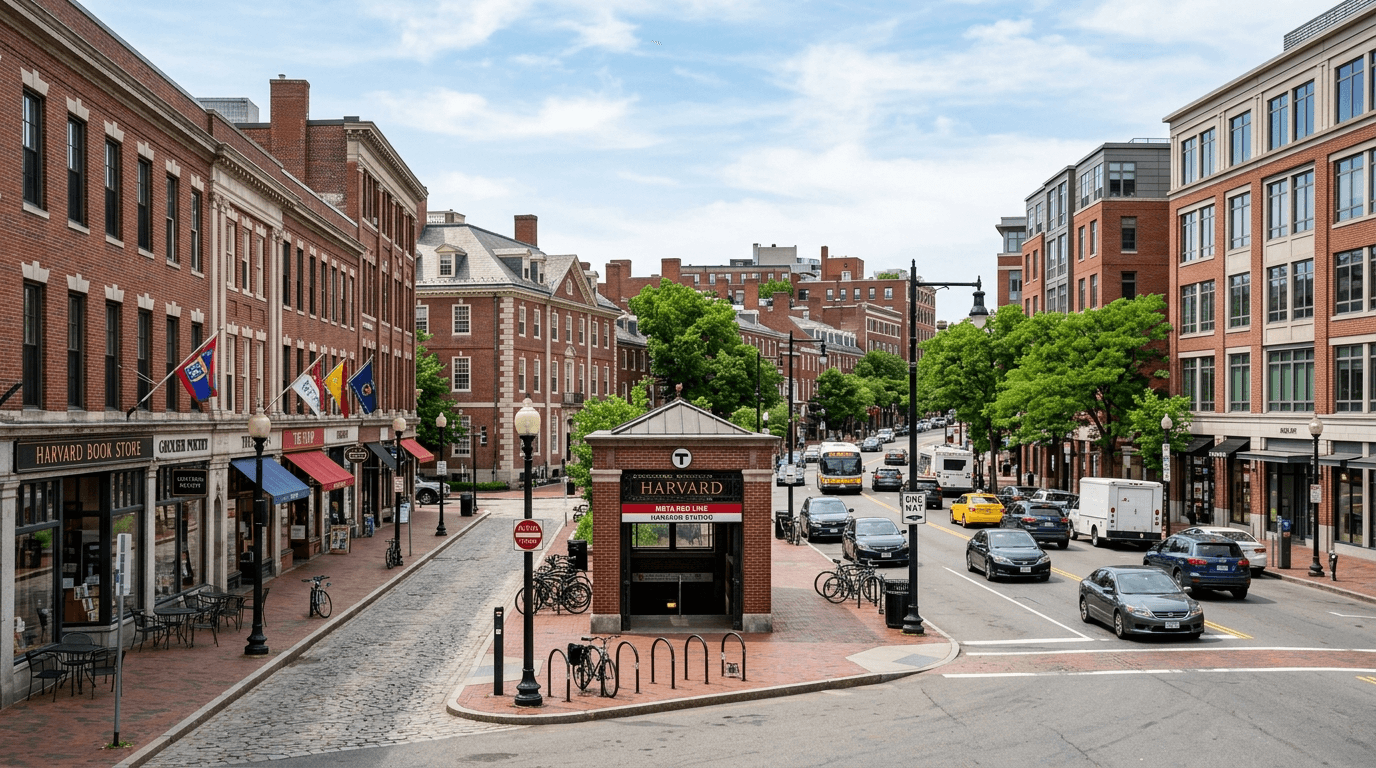
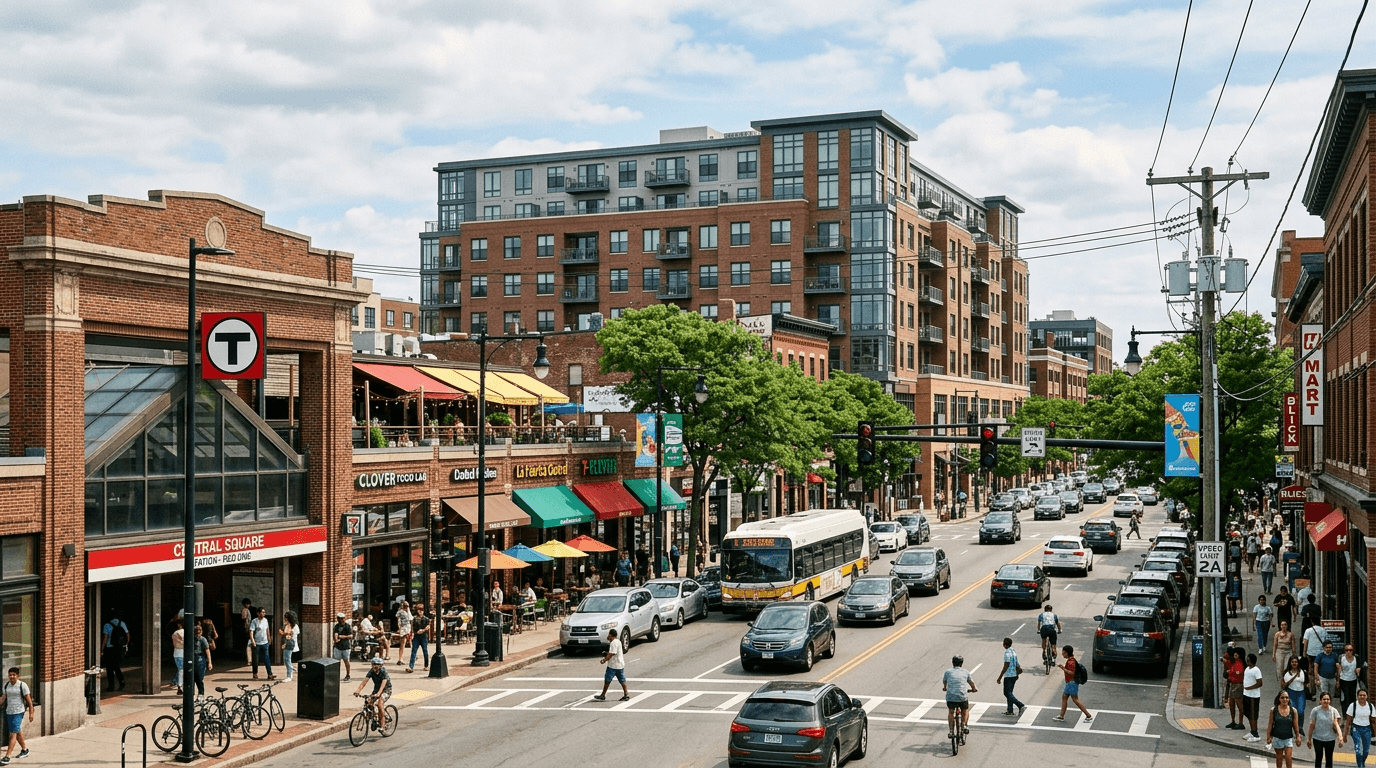
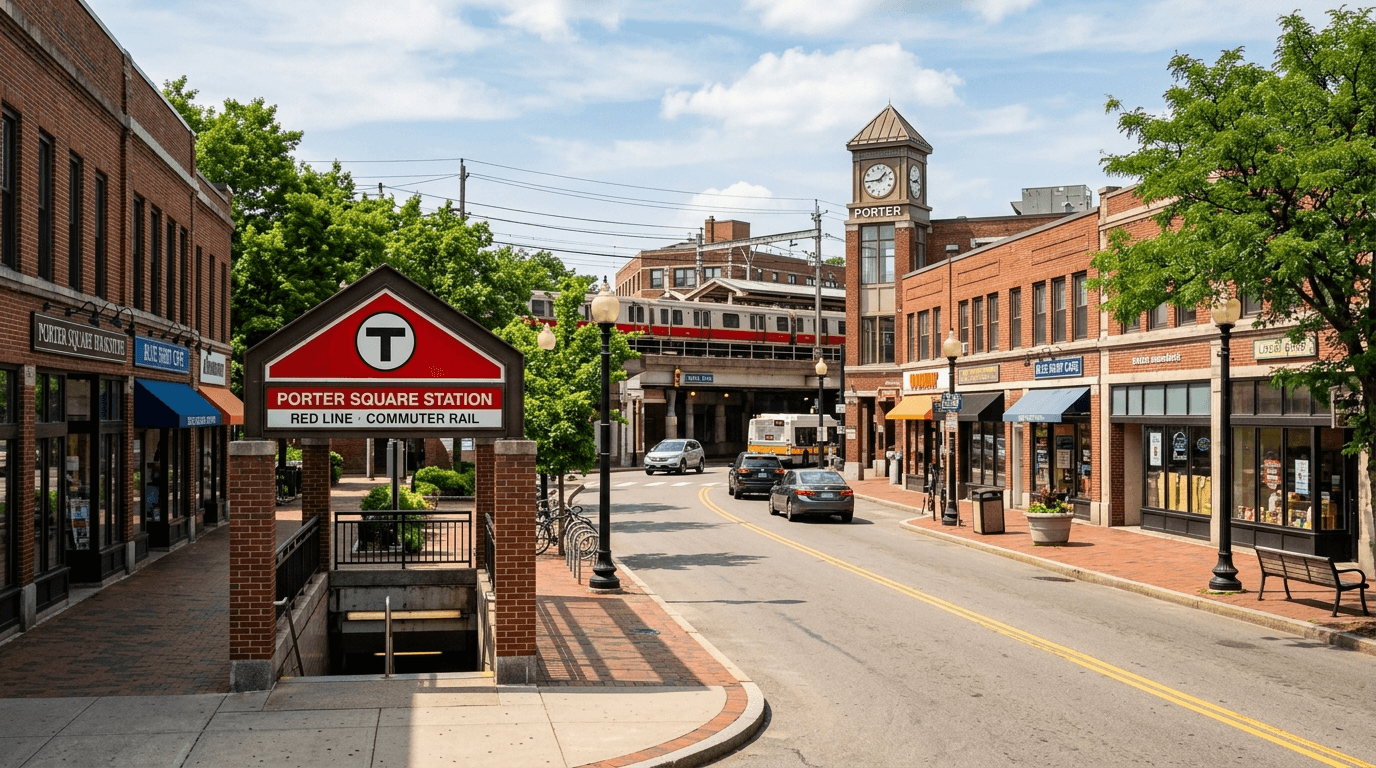
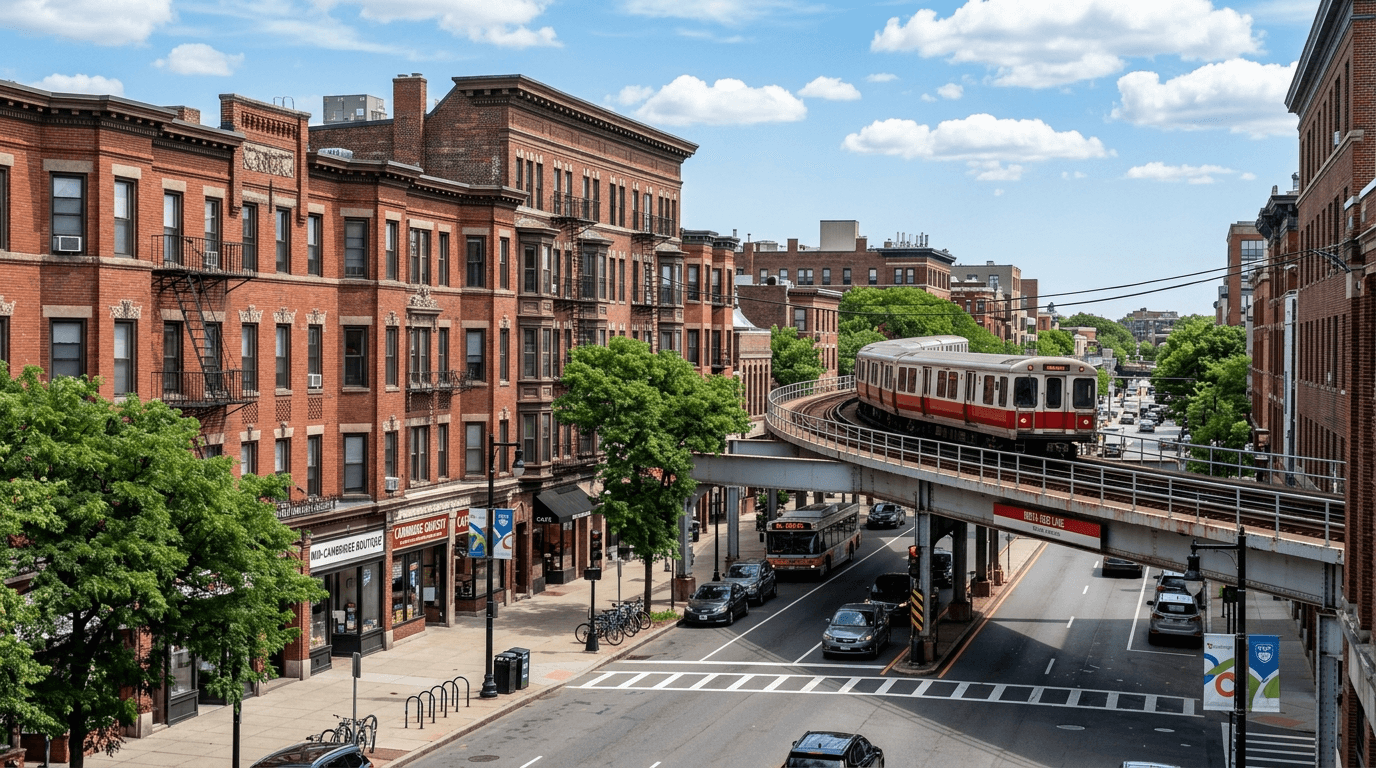
Cambridge, MA remains highly competitive near major employment and activity centers such as Kendall Square, Central Square, and Harvard. Well-located units near transit still move quickly and can draw multiple offers.
Long-term supply near transit is also expected to grow, including the Cambridge Point at Alewife project, which is set to add thousands of units over the next decade.
What should families consider about schools when buying in Cambridge, MA?
School-focused buyers should treat school fit as a separate due-diligence item when evaluating a Cambridge, MA condo or townhome. The housing market data points most directly to pricing, inventory, days on market, and property-type tradeoffs rather than school performance.
For family buyers, the key real estate takeaway is that condos and townhomes are the main ownership lane below the single-family price tier, so building choice, layout, location, and monthly costs matter heavily.